Open Market
Open Market
Client
Year
2024
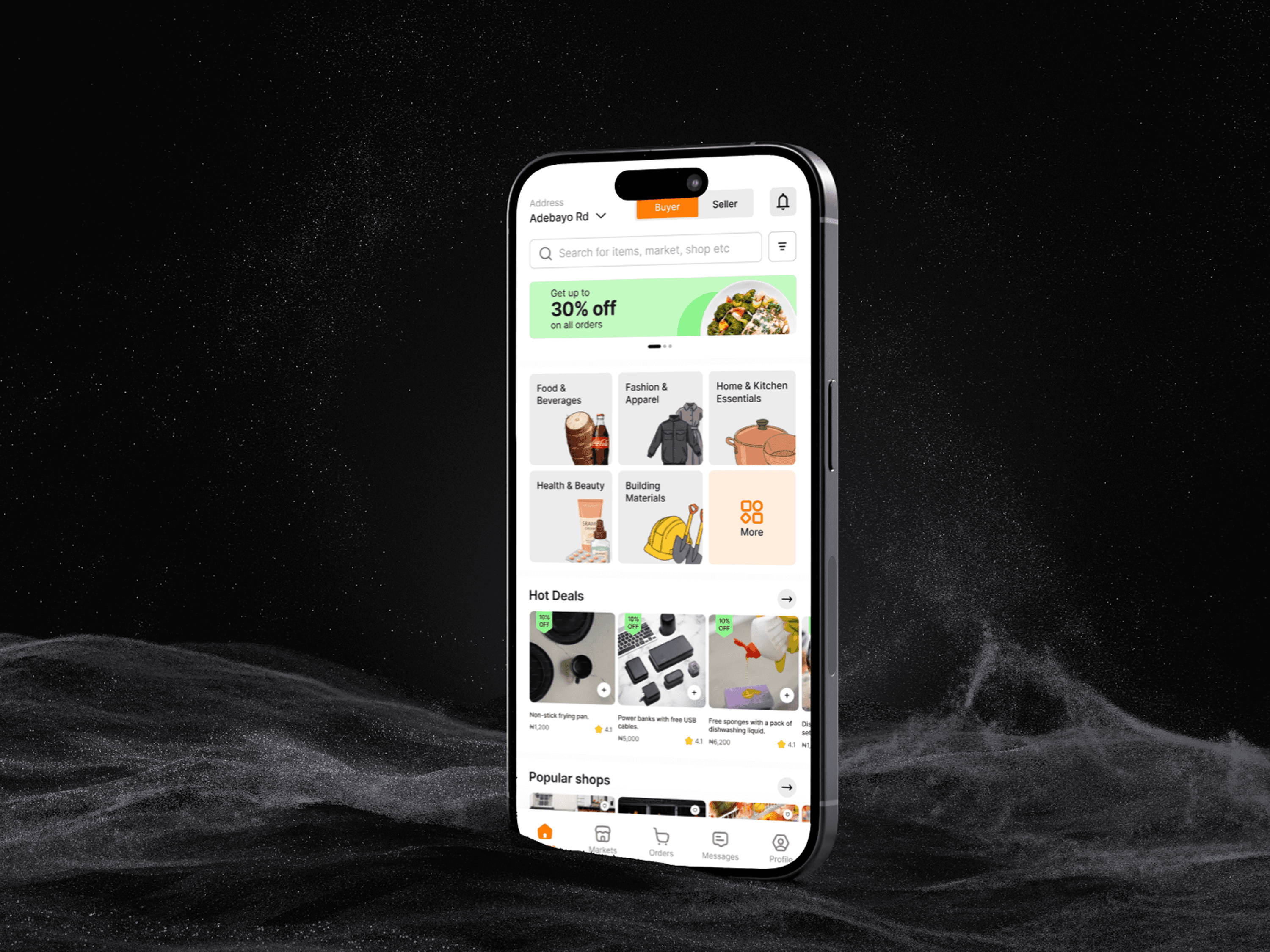
This project involved redesigning traditional open market systems by designing a user-centered mobile app interface. The goal was to modernize the market experience, improve efficiency for both buyers and sellers, and address existing challenges like inefficient product discovery, price negotiation, and trust issues within traditional open markets.
This project involved redesigning traditional open market systems by designing a user-centered mobile app interface. The goal was to modernize the market experience, improve efficiency for both buyers and sellers, and address existing challenges like inefficient product discovery, price negotiation, and trust issues within traditional open markets.
Overview
Overview
This project explored the creation of a mobile application designed to bridge the gap between the traditional, physical nature of open markets and the empowering capabilities of digital technology. As the designer, my goal was to conceptualize a platform tailored to the unique needs and cultural nuances of these vibrant marketplaces, acting as a digital extension to enhance accessibility, simplify transactions, and introduce valuable features like price comparison and negotiation.
Industry
E-commerce
Service
Designing a Mobile Marketplace for Open Market Communities
Duration
8 Weeks


What was the problem?
What was the problem?
What was the problem?
What was the problem?
Traditional open markets, while vital community hubs, present significant inefficiencies for both buyers and sellers. Buyers often struggle with inefficient item location in crowded spaces, find price negotiation stressful, and harbor concerns about product authenticity and seller trustworthiness. Conversely, sellers are limited by their physical presence, face difficulties with manual inventory and sales tracking, and find it challenging to build trust with new or distant customers. This lack of digital tools leads to suboptimal experiences in discovery, transparency, and overall market growth potential.
What was the goal?
What was the goal?
The primary objective was to design a mobile application concept that effectively addresses the identified inefficiencies and pain points within traditional open markets. The aim was to create a user-friendly digital platform that could enhance product discovery, streamline transactions, build trust through transparency, and empower both buyers and sellers with accessible digital tools, ultimately modernizing the market experience while respecting its core cultural dynamics.
The primary objective was to design a mobile application concept that effectively addresses the identified inefficiencies and pain points within traditional open markets. The aim was to create a user-friendly digital platform that could enhance product discovery, streamline transactions, build trust through transparency, and empower both buyers and sellers with accessible digital tools, ultimately modernizing the market experience while respecting its core cultural dynamics.
The primary objective was to design a mobile application concept that effectively addresses the identified inefficiencies and pain points within traditional open markets. The aim was to create a user-friendly digital platform that could enhance product discovery, streamline transactions, build trust through transparency, and empower both buyers and sellers with accessible digital tools, ultimately modernizing the market experience while respecting its core cultural dynamics.
The primary objective was to design a mobile application concept that effectively addresses the identified inefficiencies and pain points within traditional open markets. The aim was to create a user-friendly digital platform that could enhance product discovery, streamline transactions, build trust through transparency, and empower both buyers and sellers with accessible digital tools, ultimately modernizing the market experience while respecting its core cultural dynamics.
My Design Process & Approach
My Design Process & Approach
My approach was deeply rooted in understanding the end-users and iteratively developing a solution tailored to their context:
Extensive User Research: Conducted comprehensive research (interviews, surveys, direct market observations) with buyers and sellers across various age groups to understand their behaviors, pain points, readiness for digital adoption, and specific needs.
Synthesizing Insights & Defining the Solution: Analyzed research data to identify core challenges and conceptualized a mobile application as the primary solution to bridge traditional practices with digital capabilities.
Feature Design & Prototyping (User-Centric Features):
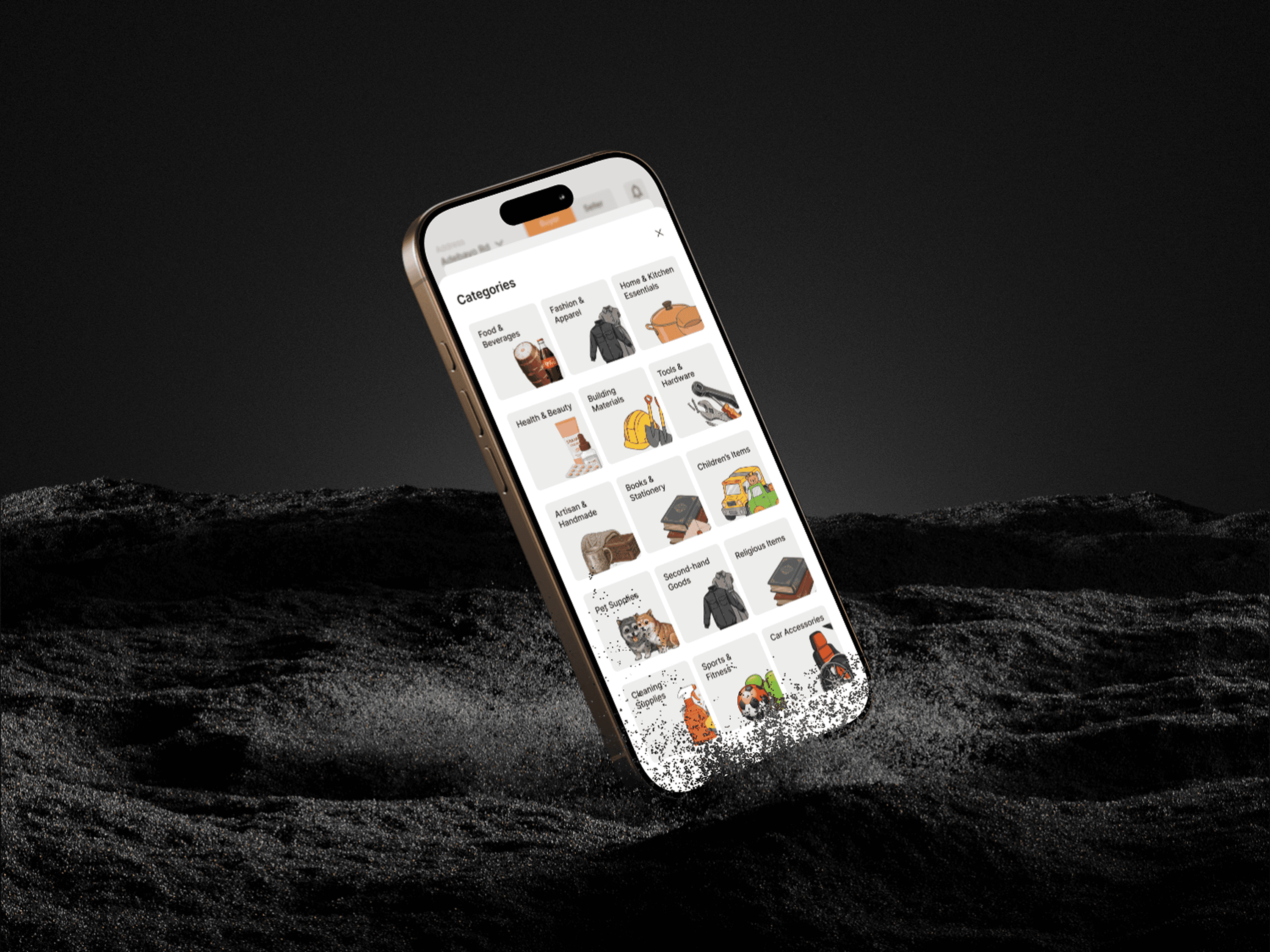
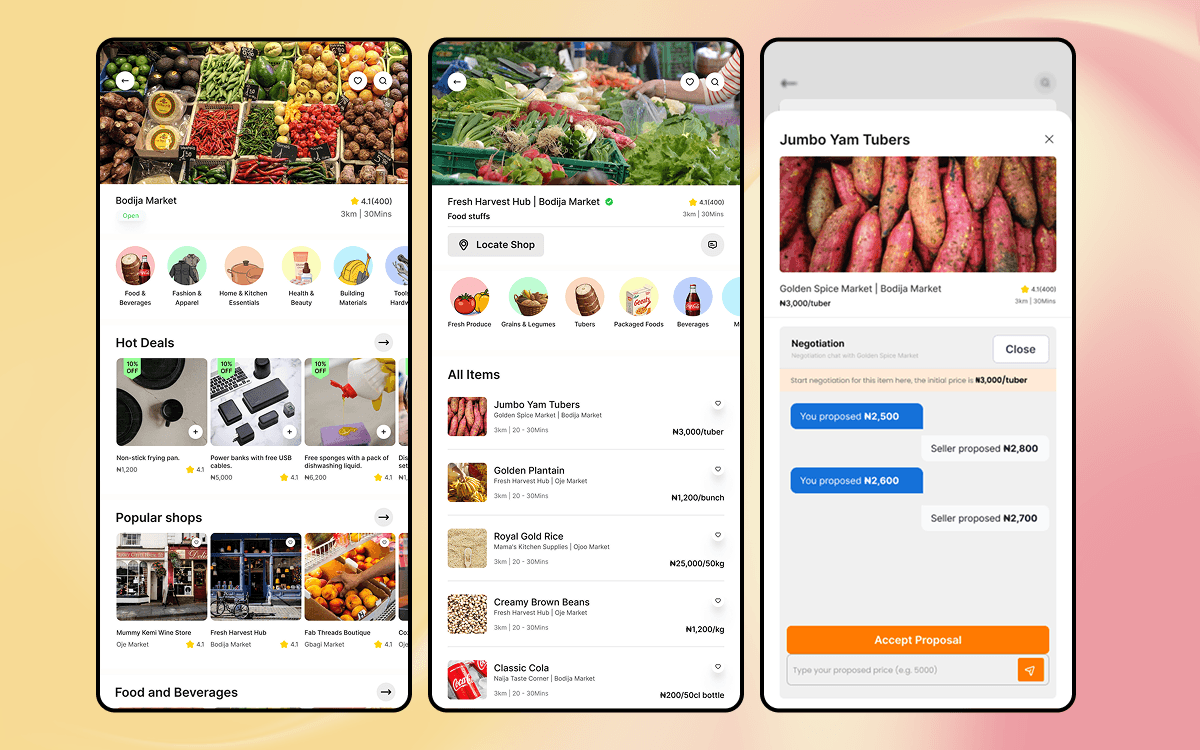
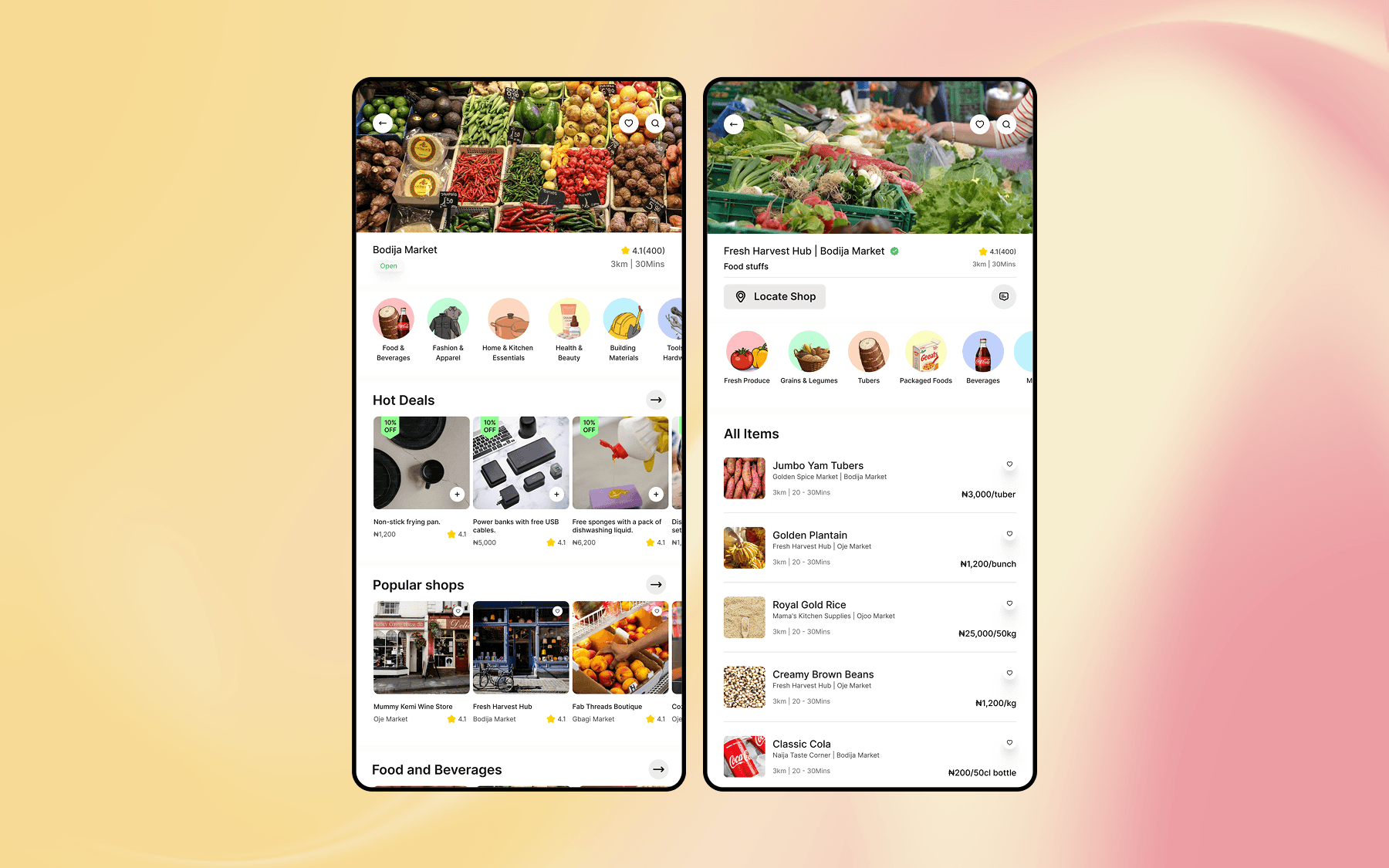
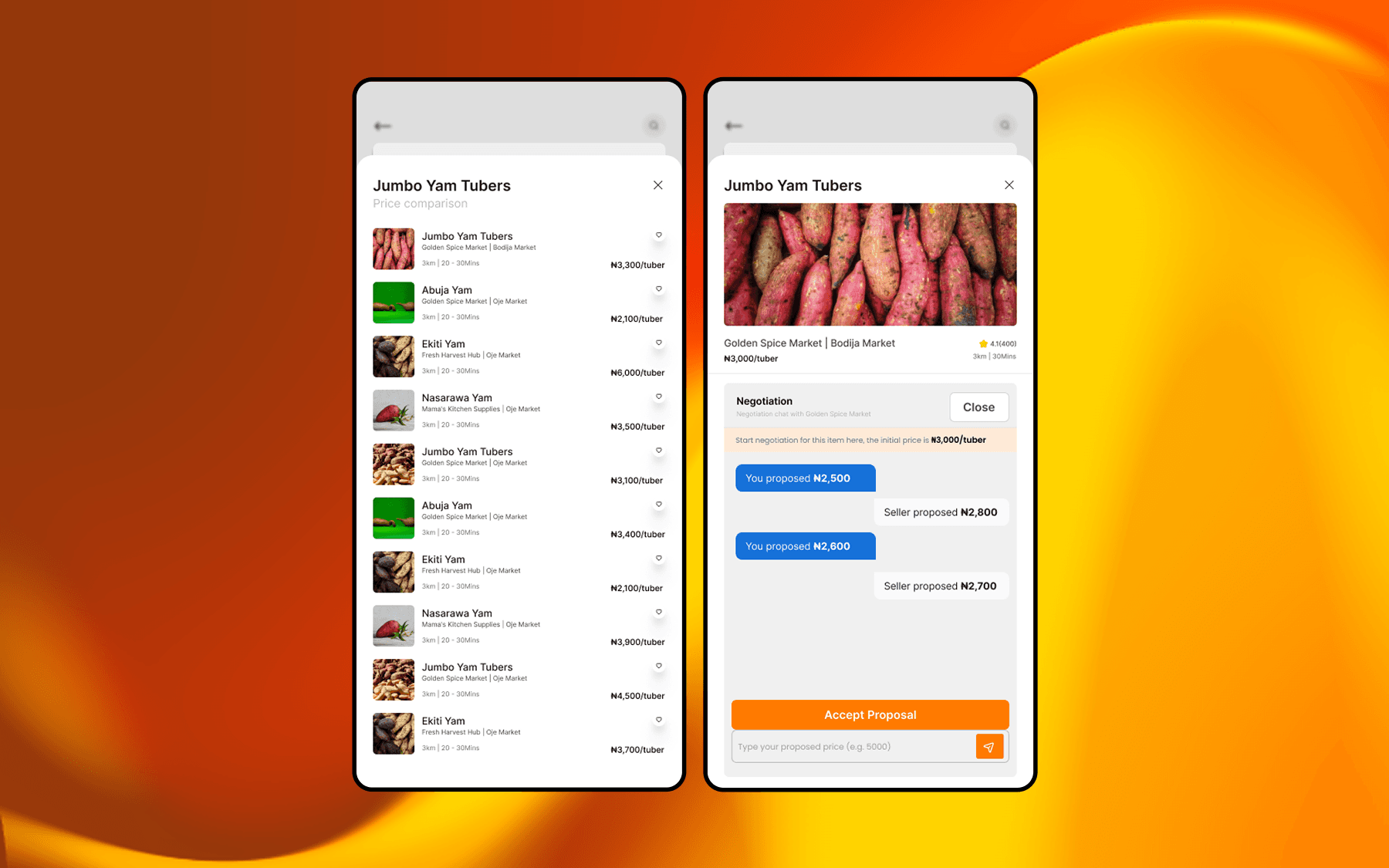
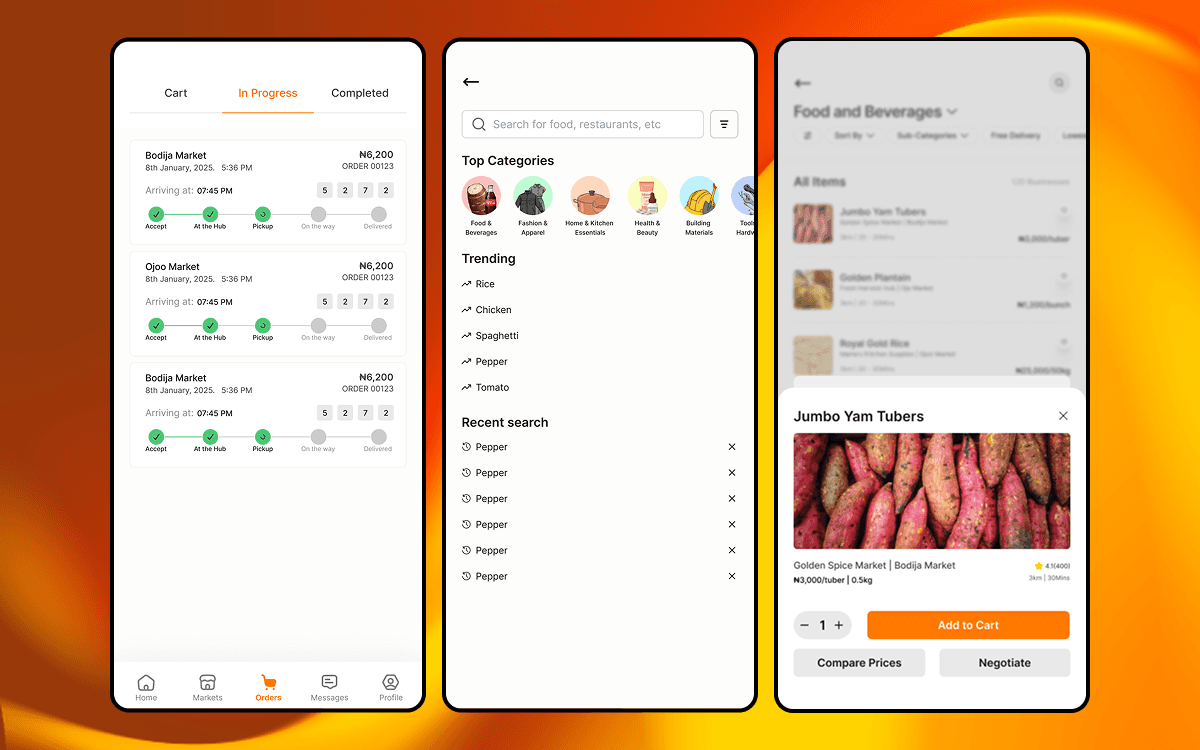
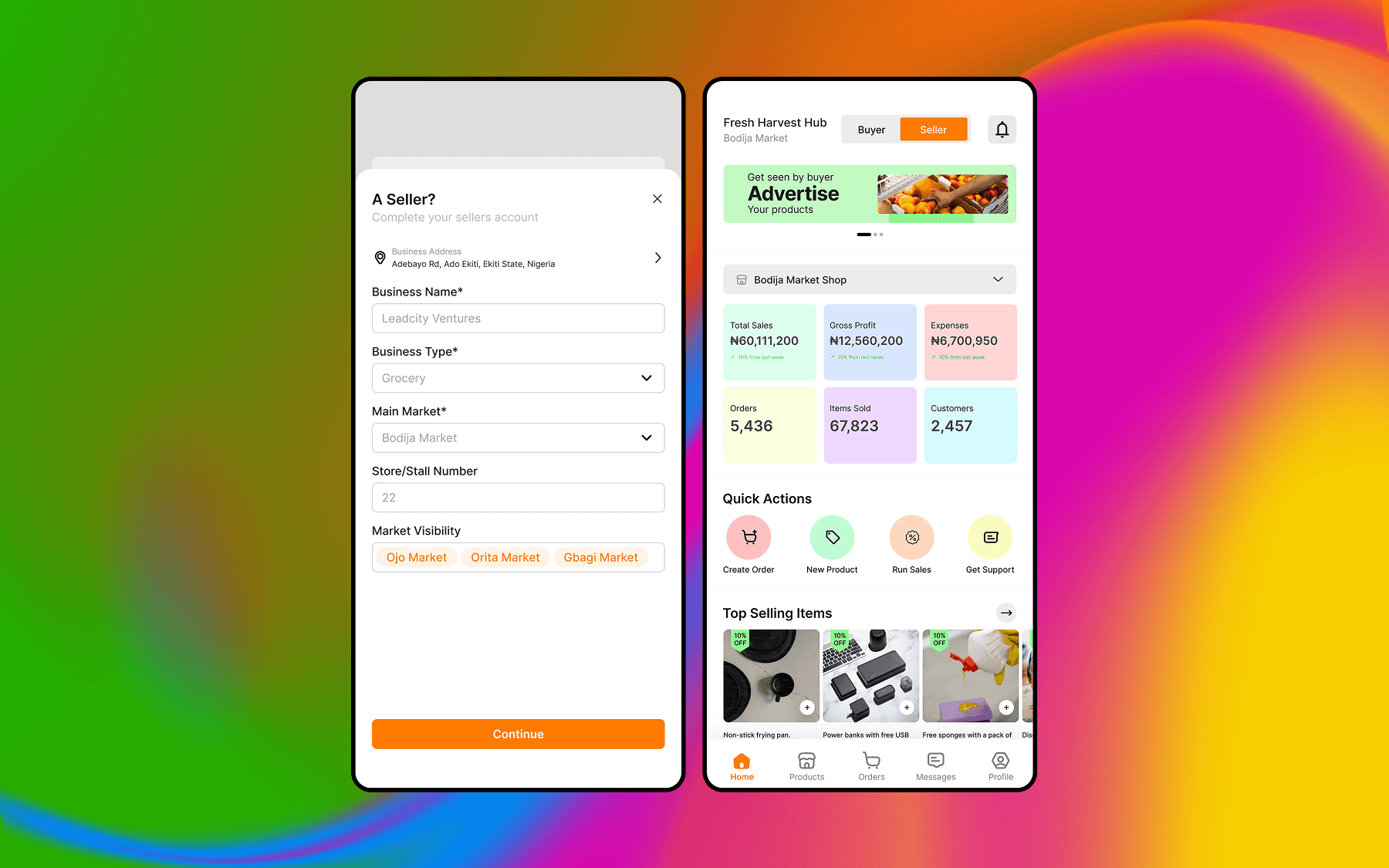
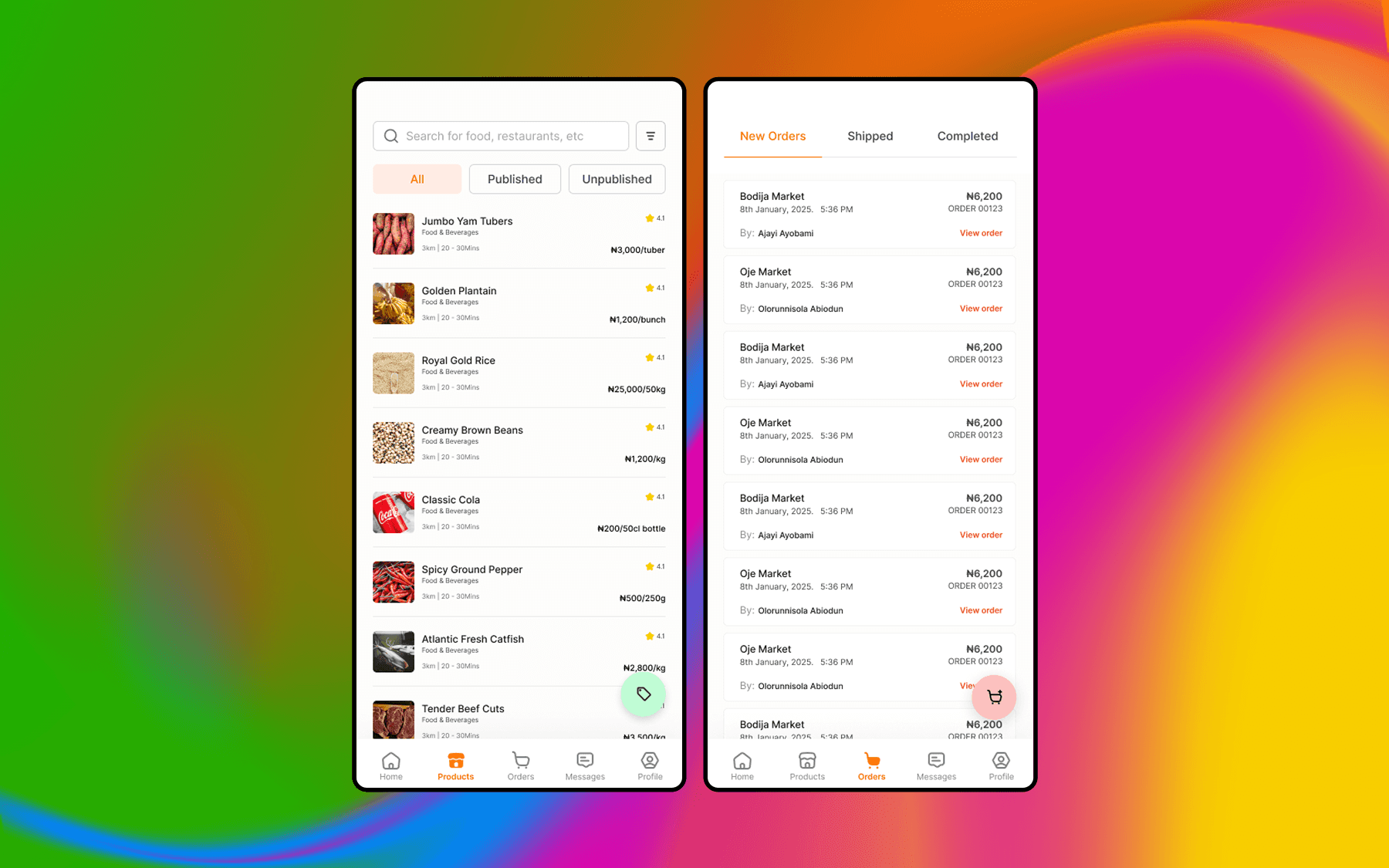
For Buyers: Designed robust search/discovery with filtering, price comparison tools, in-app negotiation features, seller profiles with ratings/reviews/verification, and secure online payment concepts (e.g., payment hold until confirmation).
For Sellers: Designed intuitive tools for product listing, comprehensive inventory management (real-time tracking, sales analytics), and direct buyer-seller communication channels.
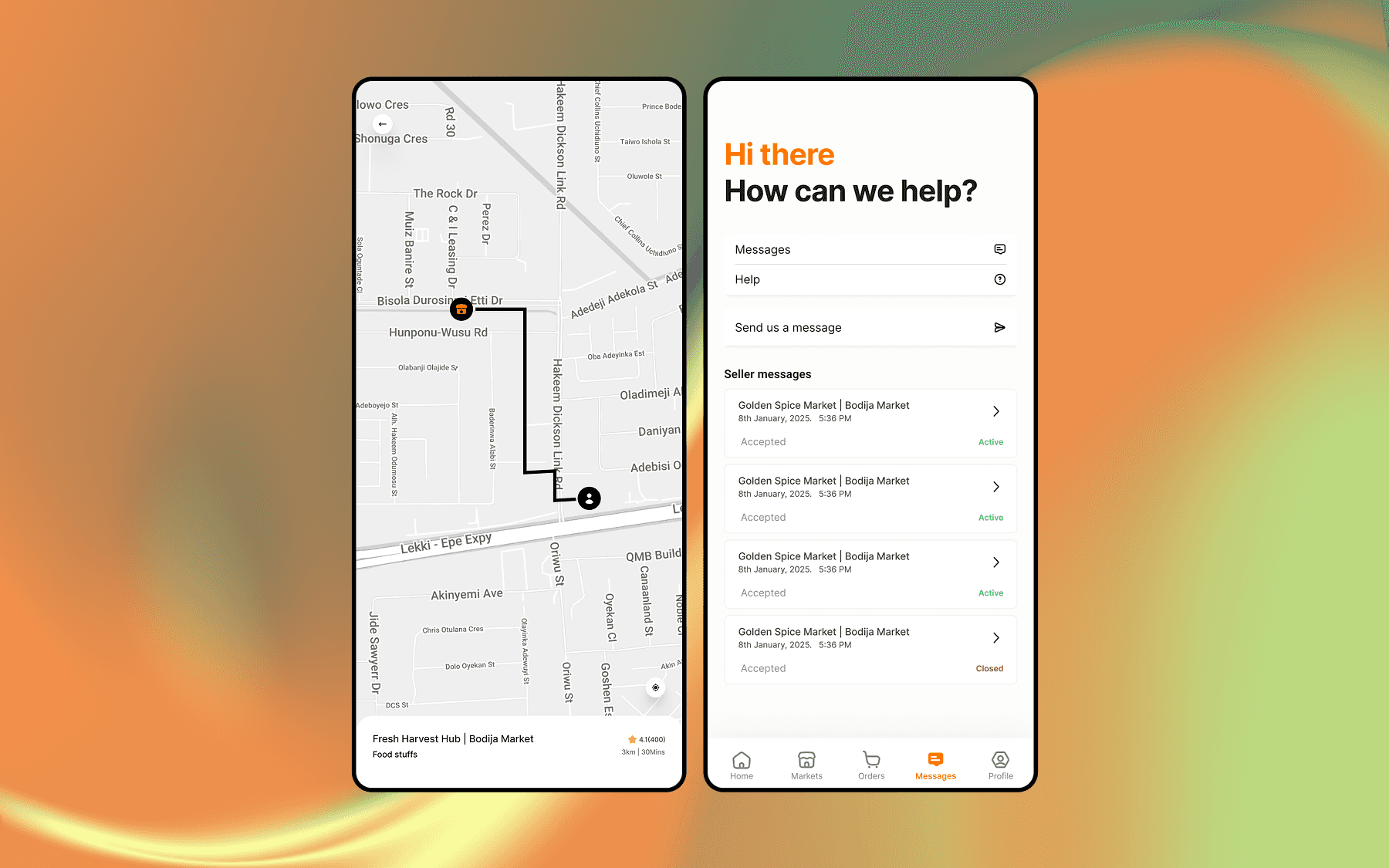
Information Architecture & Navigation: Developed a user-friendly interface and intuitive navigation system designed to accommodate diverse market services without overwhelming users.
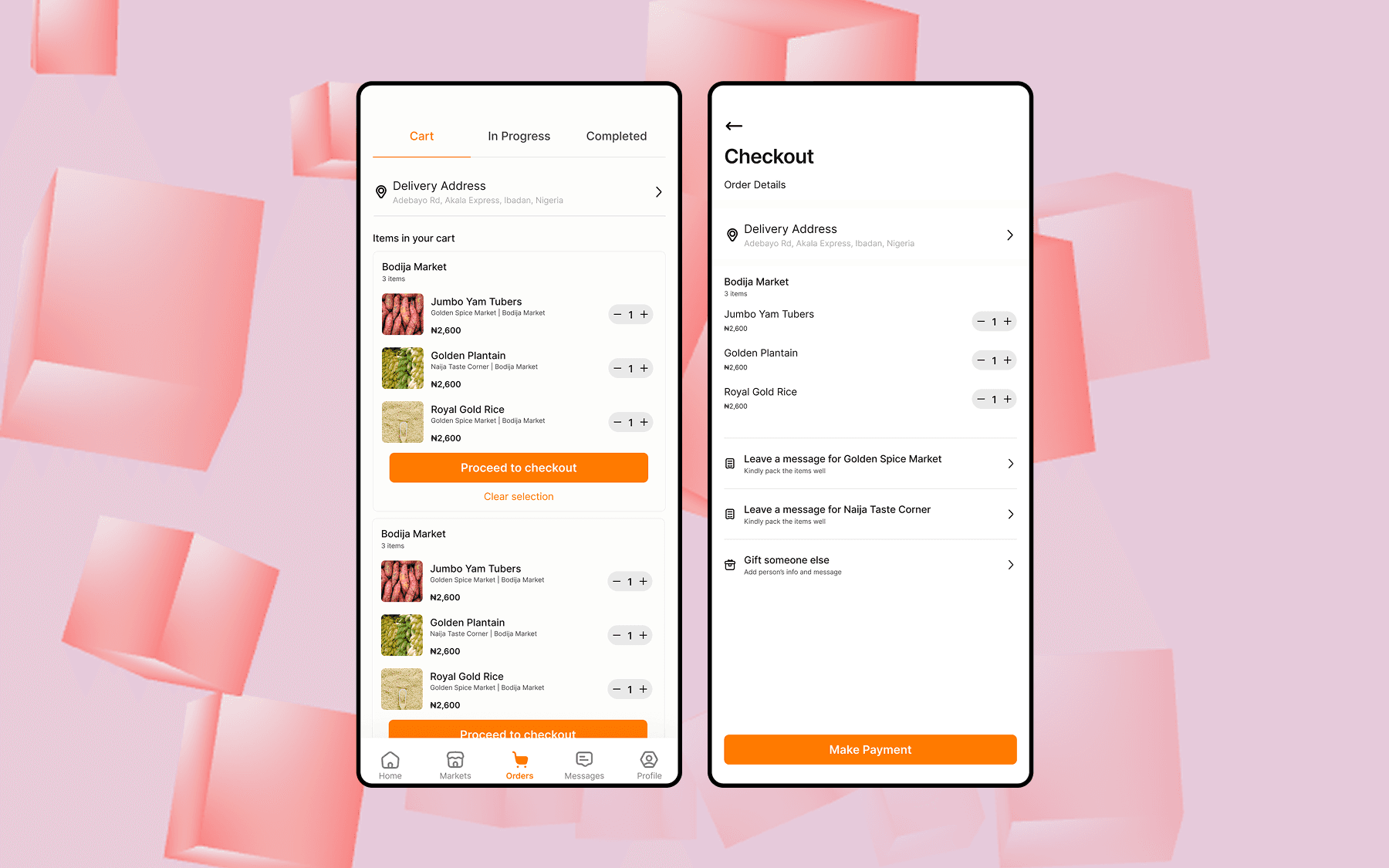
Iterative Design & Usability Testing: Created wireframes and mockups, followed by usability testing with real target users. Feedback was used to make necessary refinements, such as improving button sizes and streamlining core user flows like checkout, ensuring the concept aligned with user needs.
Designing for Accessibility and Trust in a Traditional Context
A key focus of the design was ensuring ease of use, especially for users potentially less familiar with technology, and building trust in a new digital medium:
Visual Clarity & Accessibility: Prioritized clear visual language, intuitive iconography, and accessible design principles throughout the application.
Building Trust Mechanisms: Incorporated features like seller verification, ratings/reviews, and secure payment protocols to foster confidence among users.
Facilitating Familiar Interactions Digitally: Translated traditional market interactions like negotiation into intuitive digital formats within the app.
Empowering Sellers: Provided simple yet effective tools for sellers to manage their business digitally, extending their reach and improving efficiency.
My approach was deeply rooted in understanding the end-users and iteratively developing a solution tailored to their context:
Extensive User Research: Conducted comprehensive research (interviews, surveys, direct market observations) with buyers and sellers across various age groups to understand their behaviors, pain points, readiness for digital adoption, and specific needs.
Synthesizing Insights & Defining the Solution: Analyzed research data to identify core challenges and conceptualized a mobile application as the primary solution to bridge traditional practices with digital capabilities.
Feature Design & Prototyping (User-Centric Features):
For Buyers: Designed robust search/discovery with filtering, price comparison tools, in-app negotiation features, seller profiles with ratings/reviews/verification, and secure online payment concepts (e.g., payment hold until confirmation).
For Sellers: Designed intuitive tools for product listing, comprehensive inventory management (real-time tracking, sales analytics), and direct buyer-seller communication channels.
Information Architecture & Navigation: Developed a user-friendly interface and intuitive navigation system designed to accommodate diverse market services without overwhelming users.
Iterative Design & Usability Testing: Created wireframes and mockups, followed by usability testing with real target users. Feedback was used to make necessary refinements, such as improving button sizes and streamlining core user flows like checkout, ensuring the concept aligned with user needs.
Designing for Accessibility and Trust in a Traditional Context
A key focus of the design was ensuring ease of use, especially for users potentially less familiar with technology, and building trust in a new digital medium:
Visual Clarity & Accessibility: Prioritized clear visual language, intuitive iconography, and accessible design principles throughout the application.
Building Trust Mechanisms: Incorporated features like seller verification, ratings/reviews, and secure payment protocols to foster confidence among users.
Facilitating Familiar Interactions Digitally: Translated traditional market interactions like negotiation into intuitive digital formats within the app.
Empowering Sellers: Provided simple yet effective tools for sellers to manage their business digitally, extending their reach and improving efficiency.
My approach was deeply rooted in understanding the end-users and iteratively developing a solution tailored to their context:
Extensive User Research: Conducted comprehensive research (interviews, surveys, direct market observations) with buyers and sellers across various age groups to understand their behaviors, pain points, readiness for digital adoption, and specific needs.
Synthesizing Insights & Defining the Solution: Analyzed research data to identify core challenges and conceptualized a mobile application as the primary solution to bridge traditional practices with digital capabilities.
Feature Design & Prototyping (User-Centric Features):
For Buyers: Designed robust search/discovery with filtering, price comparison tools, in-app negotiation features, seller profiles with ratings/reviews/verification, and secure online payment concepts (e.g., payment hold until confirmation).
For Sellers: Designed intuitive tools for product listing, comprehensive inventory management (real-time tracking, sales analytics), and direct buyer-seller communication channels.
Information Architecture & Navigation: Developed a user-friendly interface and intuitive navigation system designed to accommodate diverse market services without overwhelming users.
Iterative Design & Usability Testing: Created wireframes and mockups, followed by usability testing with real target users. Feedback was used to make necessary refinements, such as improving button sizes and streamlining core user flows like checkout, ensuring the concept aligned with user needs.
Designing for Accessibility and Trust in a Traditional Context
A key focus of the design was ensuring ease of use, especially for users potentially less familiar with technology, and building trust in a new digital medium:
Visual Clarity & Accessibility: Prioritized clear visual language, intuitive iconography, and accessible design principles throughout the application.
Building Trust Mechanisms: Incorporated features like seller verification, ratings/reviews, and secure payment protocols to foster confidence among users.
Facilitating Familiar Interactions Digitally: Translated traditional market interactions like negotiation into intuitive digital formats within the app.
Empowering Sellers: Provided simple yet effective tools for sellers to manage their business digitally, extending their reach and improving efficiency.
My approach was deeply rooted in understanding the end-users and iteratively developing a solution tailored to their context:
Extensive User Research: Conducted comprehensive research (interviews, surveys, direct market observations) with buyers and sellers across various age groups to understand their behaviors, pain points, readiness for digital adoption, and specific needs.
Synthesizing Insights & Defining the Solution: Analyzed research data to identify core challenges and conceptualized a mobile application as the primary solution to bridge traditional practices with digital capabilities.
Feature Design & Prototyping (User-Centric Features):
For Buyers: Designed robust search/discovery with filtering, price comparison tools, in-app negotiation features, seller profiles with ratings/reviews/verification, and secure online payment concepts (e.g., payment hold until confirmation).
For Sellers: Designed intuitive tools for product listing, comprehensive inventory management (real-time tracking, sales analytics), and direct buyer-seller communication channels.
Information Architecture & Navigation: Developed a user-friendly interface and intuitive navigation system designed to accommodate diverse market services without overwhelming users.
Iterative Design & Usability Testing: Created wireframes and mockups, followed by usability testing with real target users. Feedback was used to make necessary refinements, such as improving button sizes and streamlining core user flows like checkout, ensuring the concept aligned with user needs.
Designing for Accessibility and Trust in a Traditional Context
A key focus of the design was ensuring ease of use, especially for users potentially less familiar with technology, and building trust in a new digital medium:
Visual Clarity & Accessibility: Prioritized clear visual language, intuitive iconography, and accessible design principles throughout the application.
Building Trust Mechanisms: Incorporated features like seller verification, ratings/reviews, and secure payment protocols to foster confidence among users.
Facilitating Familiar Interactions Digitally: Translated traditional market interactions like negotiation into intuitive digital formats within the app.
Empowering Sellers: Provided simple yet effective tools for sellers to manage their business digitally, extending their reach and improving efficiency.
The Result
The Result
Project Outcome (Conceptual Prototype)
The result of this project is a thoroughly researched and designed mobile application concept that demonstrably addresses the core challenges identified in traditional open markets. Key outcomes include:
Validated Concept: Usability testing provided positive feedback on ease of navigation and key features like digital negotiation, validating the design's potential to effectively support users.
Clear Modernization Path: The designed solution offers a clear pathway to modernize the market experience, enhancing discovery, streamlining transactions, and building trust.
Empowerment Tools: The concept provides both buyers and sellers with accessible digital tools to improve their market interactions and business management.
Conclusion
The inherent challenges within traditional open markets, from inefficient product discovery to trust concerns, highlighted a clear need for digital intervention. This mobile application concept directly tackles these issues by offering a user-friendly platform designed with the specific needs of market participants in mind.
Key design features such as robust search, in-app negotiation, transparent seller profiles, secure payment concepts, and seller inventory management tools collectively offer a comprehensive solution. While a prototype, this project successfully demonstrates the potential of thoughtful UI/UX design to bridge the digital divide, foster growth, and enhance the experience for communities reliant on traditional open markets.
PROTOTYPE LINK
Project Outcome (Conceptual Prototype)
The result of this project is a thoroughly researched and designed mobile application concept that demonstrably addresses the core challenges identified in traditional open markets. Key outcomes include:
Validated Concept: Usability testing provided positive feedback on ease of navigation and key features like digital negotiation, validating the design's potential to effectively support users.
Clear Modernization Path: The designed solution offers a clear pathway to modernize the market experience, enhancing discovery, streamlining transactions, and building trust.
Empowerment Tools: The concept provides both buyers and sellers with accessible digital tools to improve their market interactions and business management.
Conclusion
The inherent challenges within traditional open markets, from inefficient product discovery to trust concerns, highlighted a clear need for digital intervention. This mobile application concept directly tackles these issues by offering a user-friendly platform designed with the specific needs of market participants in mind.
Key design features such as robust search, in-app negotiation, transparent seller profiles, secure payment concepts, and seller inventory management tools collectively offer a comprehensive solution. While a prototype, this project successfully demonstrates the potential of thoughtful UI/UX design to bridge the digital divide, foster growth, and enhance the experience for communities reliant on traditional open markets.
PROTOTYPE LINK
Project Outcome (Conceptual Prototype)
The result of this project is a thoroughly researched and designed mobile application concept that demonstrably addresses the core challenges identified in traditional open markets. Key outcomes include:
Validated Concept: Usability testing provided positive feedback on ease of navigation and key features like digital negotiation, validating the design's potential to effectively support users.
Clear Modernization Path: The designed solution offers a clear pathway to modernize the market experience, enhancing discovery, streamlining transactions, and building trust.
Empowerment Tools: The concept provides both buyers and sellers with accessible digital tools to improve their market interactions and business management.
Conclusion
The inherent challenges within traditional open markets, from inefficient product discovery to trust concerns, highlighted a clear need for digital intervention. This mobile application concept directly tackles these issues by offering a user-friendly platform designed with the specific needs of market participants in mind.
Key design features such as robust search, in-app negotiation, transparent seller profiles, secure payment concepts, and seller inventory management tools collectively offer a comprehensive solution. While a prototype, this project successfully demonstrates the potential of thoughtful UI/UX design to bridge the digital divide, foster growth, and enhance the experience for communities reliant on traditional open markets.
PROTOTYPE LINK
Project Outcome (Conceptual Prototype)
The result of this project is a thoroughly researched and designed mobile application concept that demonstrably addresses the core challenges identified in traditional open markets. Key outcomes include:
Validated Concept: Usability testing provided positive feedback on ease of navigation and key features like digital negotiation, validating the design's potential to effectively support users.
Clear Modernization Path: The designed solution offers a clear pathway to modernize the market experience, enhancing discovery, streamlining transactions, and building trust.
Empowerment Tools: The concept provides both buyers and sellers with accessible digital tools to improve their market interactions and business management.
Conclusion
The inherent challenges within traditional open markets, from inefficient product discovery to trust concerns, highlighted a clear need for digital intervention. This mobile application concept directly tackles these issues by offering a user-friendly platform designed with the specific needs of market participants in mind.
Key design features such as robust search, in-app negotiation, transparent seller profiles, secure payment concepts, and seller inventory management tools collectively offer a comprehensive solution. While a prototype, this project successfully demonstrates the potential of thoughtful UI/UX design to bridge the digital divide, foster growth, and enhance the experience for communities reliant on traditional open markets.
PROTOTYPE LINK
PORTFOLIO
CHECK OUT SOME MORE
CHECK OUT SOME MORE
CHECK OUT SOME MORE
CHECK OUT SOME MORE
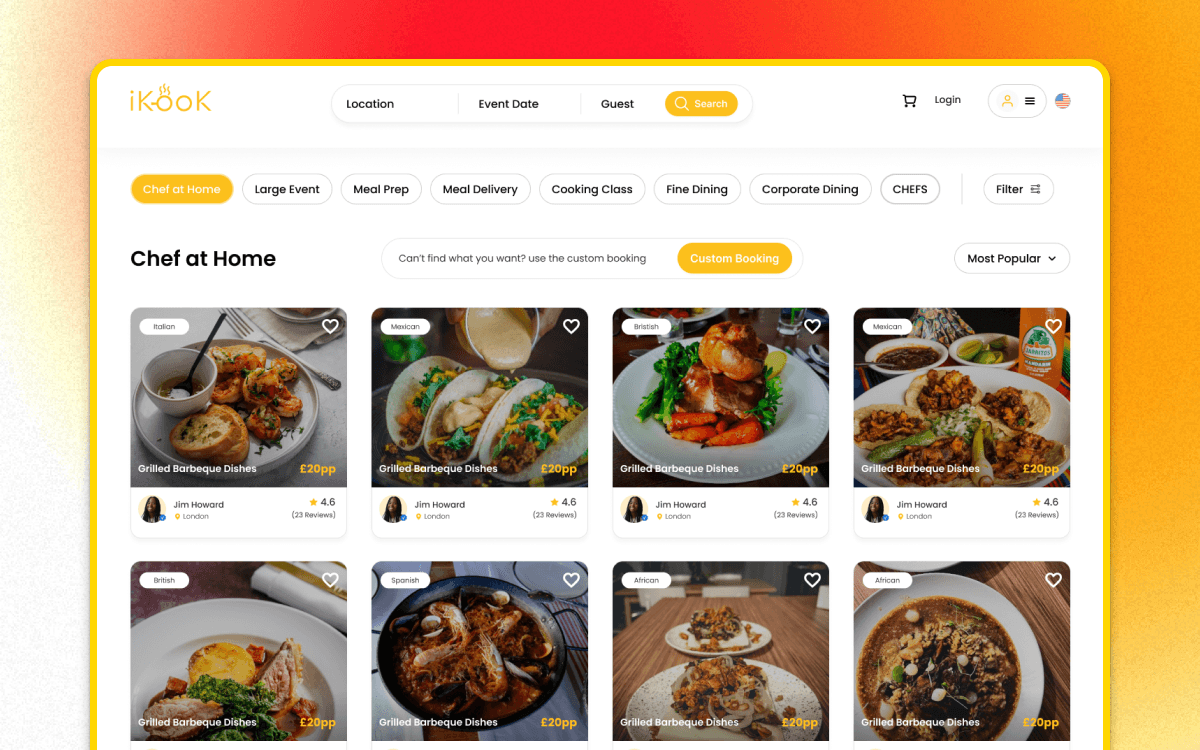
Revitalizing iKooK: Redesign for a Seamless Private Chef Booking Experience
Revitalizing iKooK: Redesign for a Seamless Private Chef Booking Experience
Revitalizing iKooK: Redesign for a Seamless Private Chef Booking Experience
Revitalizing iKooK: Redesign for a Seamless Private Chef Booking Experience
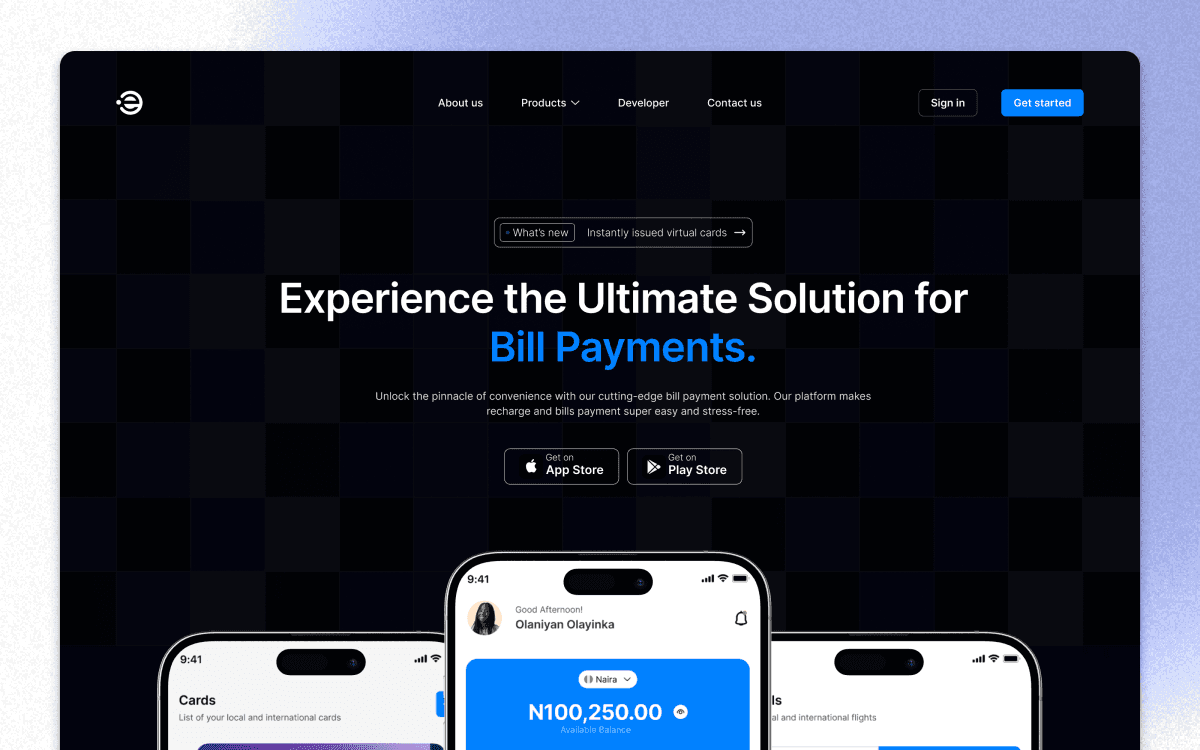
Eloaded
Eloaded
Eloaded
Simplifying Digital Life: The Design of eLoaded's All-in-One Fintech Platform
Eloaded
Eloaded
Eloaded
Simplifying Digital Life: The Design of eLoaded's All-in-One Fintech Platform
Eloaded
Eloaded
Eloaded
Simplifying Digital Life: The Design of eLoaded's All-in-One Fintech Platform
Eloaded
Eloaded
Eloaded
Simplifying Digital Life: The Design of eLoaded's All-in-One Fintech Platform
HAVE A PROJECT
IN MIND ?